
Depression Retreat & Residential Rehab on the Sunshine Coast
Reviewed by :
Dr Ruth Crowther
Clinical Psychologist
(PhD, MClinPsych)
Dr Sharon Chant,
GP (MBBS Hons, FRACGP).
Depression can make the simplest day feel heavy. If weekly appointments haven't been enough, or you need time completely away from work and home to recover, a residential depression retreat gives you space, structure and a full clinical team around you.
Hinterland Health Retreat is a private depression retreat and residential depression rehabilitation program on a 30-acre property in Montville, in Queensland's Sunshine Coast Hinterland. For people looking for rehab for depression without a hospital ward, it is one of the most personal depression retreats in Australia. We take no more than six guests at a time, and each guest has an average of 8 to 9 one-on-one therapeutic sessions a day, combining evidence-based psychological therapy, medical and nutritional assessment, our MindShift Lab neuro-technology, body-based therapies and time in nature. Winner, Australian Small Business Champion Award for Health Improvement Services · Named one of the Top 10 Hottest Health Retreats in the World by Body+Soul .
Is a depression retreat right for you?
Understanding depression
Residential depression treatment means you live on site while you receive daily therapy, so recovery has your full attention. Compared with a hospital ward or a busy depression treatment centre, a small retreat is quieter, more private and built around one person at a time. A retreat may suit you if:
You've lived with depression for months or years and outpatient therapy alone hasn't been enough (read about treatment-resistant depression)
You're still functioning at work but struggling inside (high-functioning depression)
Burnout, stress, grief or trauma sit underneath your low mood, or depression and anxiety come together (depression and anxiety together)
You need a complete break from work, family pressure and daily triggers to focus on recovery
You want a private, small setting rather than a hospital ward
A retreat is not the right place if you are at immediate risk of harming yourself, need acute psychiatric care or medical detox, or have severe symptoms such as psychosis. In those situations a hospital is the safer choice, and our team can help point you there.
Depression is more than feeling sad. It is a persistent low mood or loss of interest that affects how you think, sleep, eat, work and relate to others. Common signs include:
Low mood most of the day, or feeling empty or numb
Losing interest or pleasure in things you used to enjoy
Changes in sleep or appetite
Tiredness and low energy
Trouble concentrating or making decisions
Feeling worthless, guilty or harshly self-critical
In Australia's most recent national mental health study (2020-22), about 8% of Australians aged 16-85, around 1.5 million people, had a mood disorder such as depression in the previous 12 months, and more than 2 in 5 (43%) have experienced a mental disorder at some point (AIHW, ABS National Study of Mental Health and Wellbeing 2020-22).
Who our depression retreat helps
Depression looks different from person to person. Our programs are built around the individual, and we regularly support people in these situations (who we help).
Depression in men
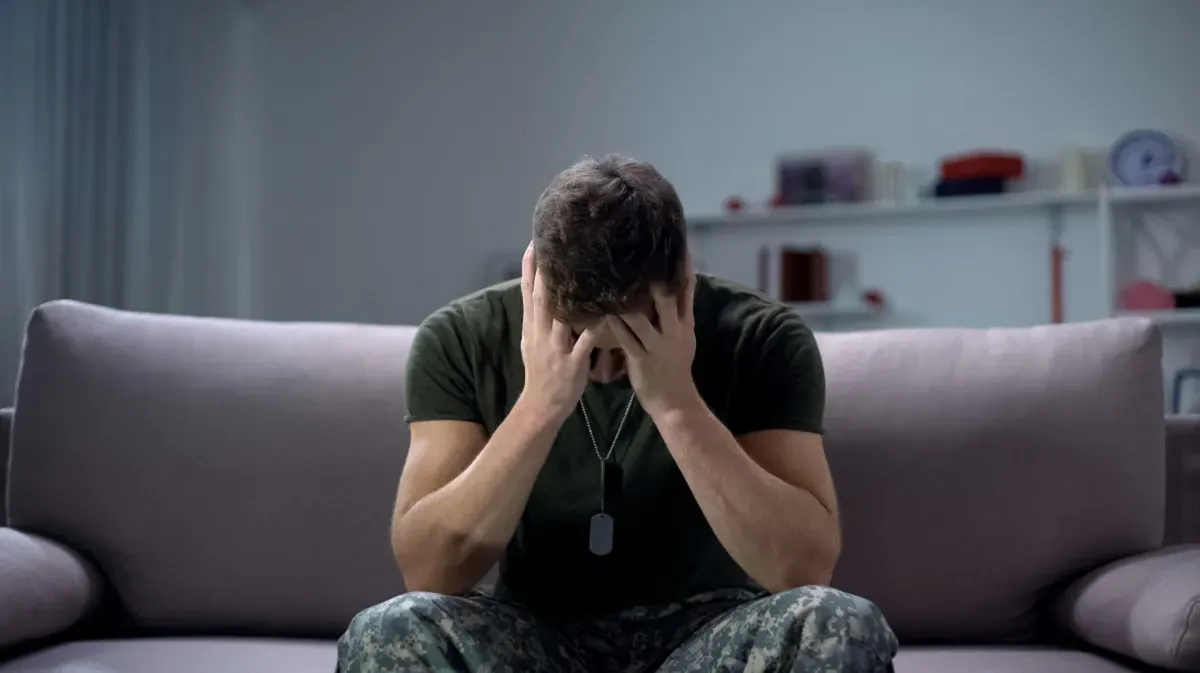
For many men, depression doesn't look like sadness. It often shows up as stress, anger, irritability, withdrawal or feeling overwhelmed, or as physical signs such as fatigue and weight change. Other common men's depression symptoms include pulling away from family and friends, not getting things done at work, and relying on alcohol or sedatives. Only 28% of men seek professional mental health support, compared with 50% of women (Beyond Blue: men's mental health).
Our depression retreat is a practical option for men who would never sit in a group circle: a private, one-on-one men's retreat for depression with no more than six guests, structured days, exercise, time outdoors and experienced clinicians. If alcohol has become part of how you cope, our team can also support alcohol addiction treatment.
Depression in women
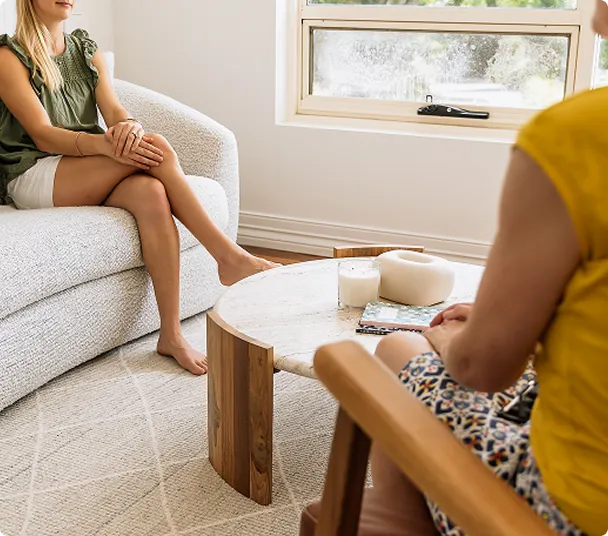
Women are more likely than men to be diagnosed with depression, and life transitions such as pregnancy and the postnatal period, perimenopause, caring for others or relationship breakdown can all play a part. Our depression retreat for women gives you time and space to focus on yourself, with medical, nutritional and hormonal factors assessed alongside psychological therapy.
High-achieving professionals and executives
Many guests keep performing at work while struggling inside. If that sounds familiar, read about high-functioning depression. Employers can also support their people through our Corporate MindShift program.
Veterans
We help veterans holding a DVA White Card or Gold Card apply to the DVA Health Approvals Board for funding to attend.
Other Conditions We Treat
Anxiety
Burnout
Chronic Stress
Trauma
PTSD
Grief
OCD
How our rehab for depression works
There are many depression treatment options, from GP care and weekly psychology to medication and hospital programs (see types of therapy for depression). Our depression programs bring the most useful of these together in one place, every day, as a structured depression rehab program. You can read the thinking behind it in our approach.
1. A full assessment, so treatment is based on your own results.
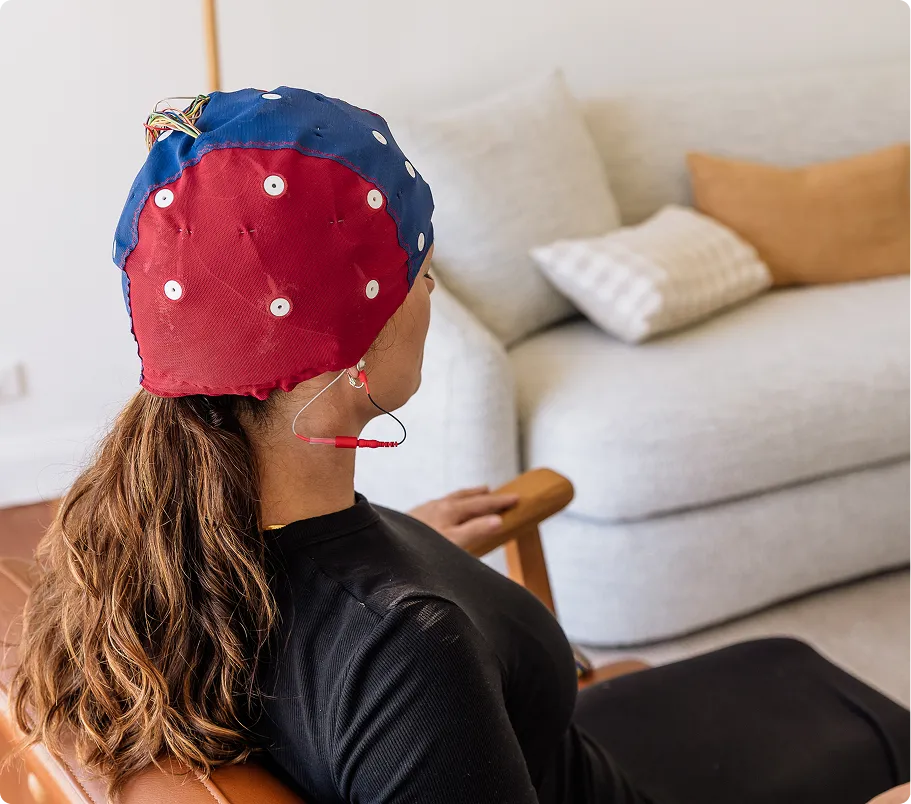
On arrival we assess your physical and mental health using QEEG brain mapping, pathology (blood tests), genetic (DNA) testing, gut health and nutritional testing, and psychological assessments. Your program is built from these results and adjusted as we monitor your progress.
2. Evidence-based psychological therapy.
Effective treatments for depression include psychological therapies such as cognitive behaviour therapy (CBT) and antidepressant medication, and what works best differs for each person (Beyond Blue). Your one-on-one sessions may include CBT, EMDR and trauma-informed therapy, acceptance and commitment therapy (ACT), schema therapy, internal family systems (IFS), and compassion-focused therapy for shame and self-criticism, led by our Clinical Lead, Dr Stan Steindl. Decisions about medication stay with your doctor. See what to expect from CBT and types of therapy for depression.
3. The MindShift Lab.
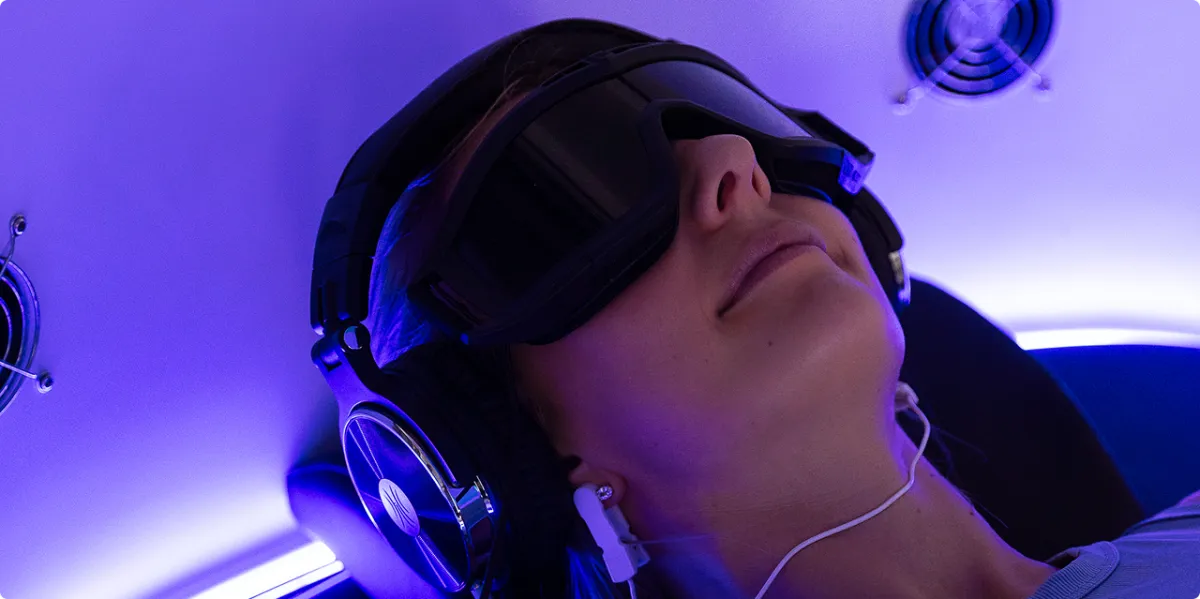
Home to the world's first MindShift Lab, our neuro-technology suite includes brain balancing technology, nervous system training technology and advanced meditation technology, designed to calm both brain and body alongside your therapy. Read more about our neuro-technologies.
4. Food as medicine.
Our in-house chefs work with our nutritionists, dietitians, functional medicine doctors and nutrigenomics counsellor to design meals around your genetic makeup and medical profile, using local, fresh, organic produce. Read more on nutrition and depression and metabolic psychiatry.
5. On-site IV clinic.
Our infusion nurses and medical team review your pathology results and symptoms to set a personalised IV therapy program, reviewed regularly during your stay.
6. Body and nature-based therapies.
Meditation, massage, kinesiology, TRE (tension and trauma release exercises), sound healing, yoga and breathwork, plus our lap pool, gym, jacuzzi, and a rainforest walk down to the waterfall. See the full list of our modalities.
Program length, accommodation and location
Our depression programs run for 7, 14, 21 or 28 days, tailored to what you need, and longer stays can be recommended. Over 28 days, that's well over 150 one-on-one sessions. With a maximum of six guests, every guest has a private suite with their own bathroom.
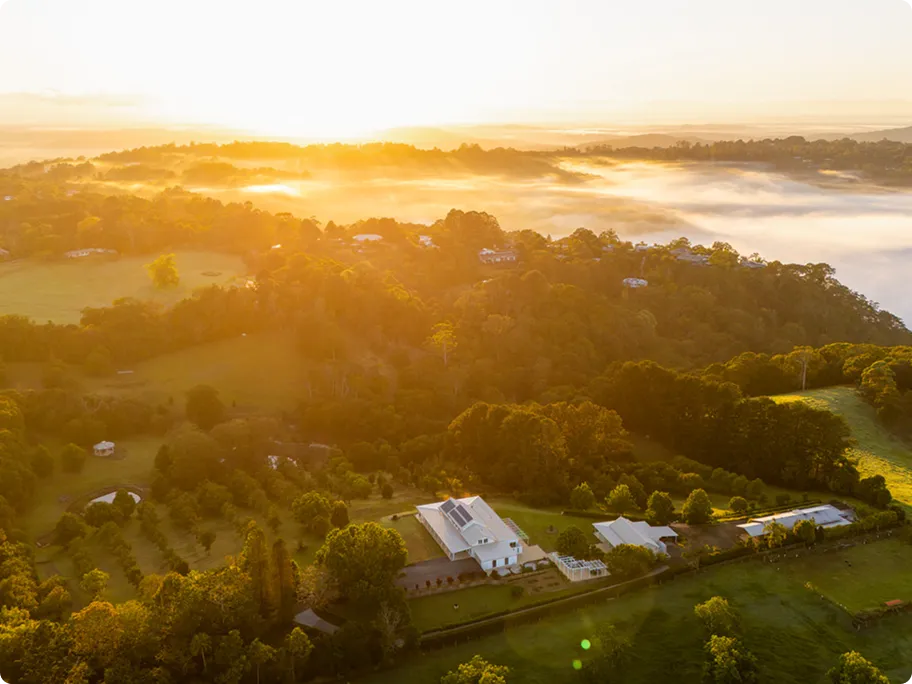
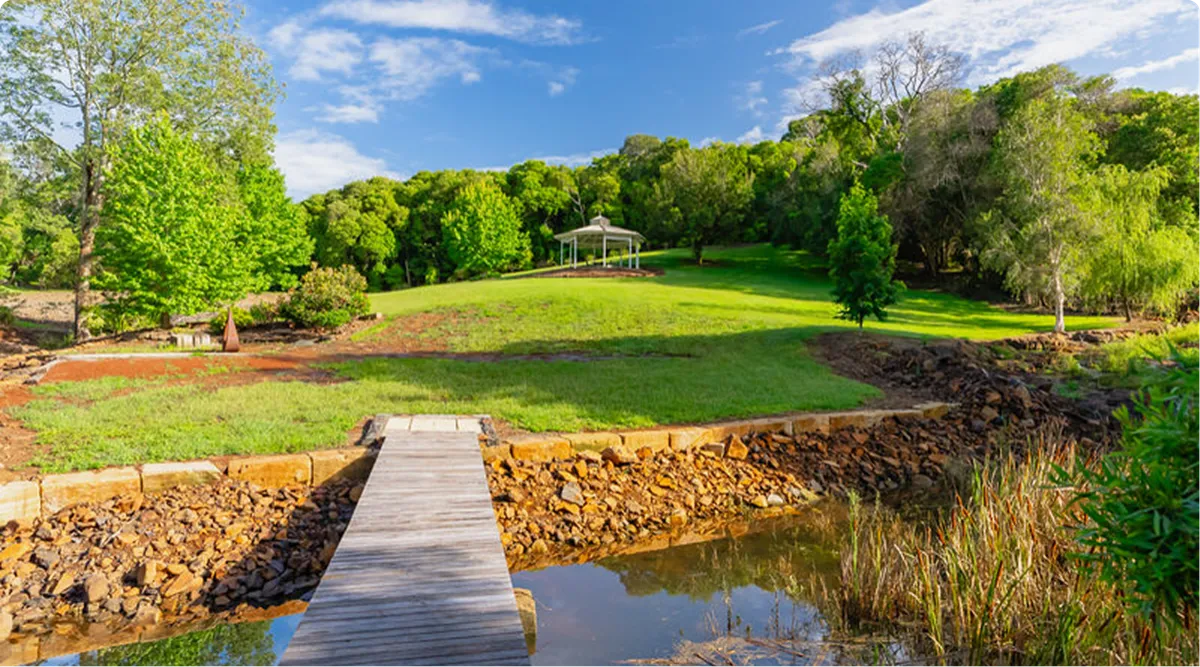
We're at 15 Negus Road, Montville QLD 4560, moments from Montville village, about 30 minutes from Sunshine Coast Airport and 1 hour 15 minutes from Brisbane Airport. Guests come from across Queensland, interstate and overseas for depression treatment in Australia, and the Sunshine Coast setting is part of the recovery. The 30-acre grounds include manicured gardens, a lake and rotunda, a macadamia orchard and rainforest walking tracks. See our facilities.
Can't take time away? Hinterland @ Home
If a full residential stay isn't possible and you need depression treatment at home, Hinterland @ Home is a six-week hybrid program: one on-site day with assessment, QEEG brain mapping, IV therapy and neuro-technology sessions; four clinician-led telehealth sessions at home; and a final on-site day with a repeat QEEG and an outcomes review. Learn about Hinterland @ Home.
Your clinical team
Dr Ruth Crowther, Clinical Psychologist (PhD, MPhil, MClinPsych, MAPS): trauma, burnout, anxiety and depression, particularly in high-achieving people. View profile
Dr Stan Steindl, Clinical Lead and Clinical Psychologist: over 20 years' experience; Adjunct Professor, University of Queensland; co-director of the UQ Compassionate Mind Research Group. View profile
Dr Sharon Chant, GP and Functional Medicine Doctor (MBBS Hons, BSc, FRACGP): nutrition, anxiety and depression. View profile
Jackie Durnin, Founder and Program Manager, featured on more than 15 mental health podcasts including Pretty Depressed with Kim Crossman and The Mind Manual. Media
Supported by medical practitioners, nurses, psychotherapists, somatic therapists, nutrition specialists and chefs. Meet the full team.
Measuring your progress
The cost of your program depends on your length of stay, therapy needs and recovery goals. We're transparent about pricing, with no hidden costs.
Cost and payment options
Recovery from depression is different for everyone. We monitor your progress throughout your stay, review the data with you, and adjust your program as you go. Guests on Hinterland @ Home finish with a repeat QEEG and an outcomes review.
Superannuation: you may be able to access your super early on compassionate grounds to fund treatment. We work with Release My Super on the application, and we have a 100% success rate of superannuation application approvals.
Private health insurance: programs may be partly funded through extras cover; check with your fund.
Payment plans: a third-party finance provider covers your treatment and sets up a payment plan with you.
Business expense: some guests may be able to claim their program as a business expense, depending on their circumstances.
DVA: we help White Card and Gold Card holders apply to the DVA Health Approvals Board.
Self-funding: direct debit and credit card, with invoices and receipts provided.
Private residential retreats are generally not covered by Medicare. See all payment options.
Aftercare
Recovery continues after you go home. Every guest receives a tailored aftercare program, including regular check-ins, ongoing therapy sessions, support groups, and educational resources and tools for managing stress and mood day to day.
Experience The Difference
Join us at Hinterland Health Retreat and embark on a transformative journey towards better health and wellbeing.
Where Innovation Meets Wellness.
Frequently asked questions
How long is a depression retreat?
Programs run for 7, 14, 21 or 28 days, tailored to your needs. Longer stays can be recommended.
How much does a depression retreat cost?
It depends on your length of stay and treatment plan. Pricing is transparent with no hidden costs. Call 1300 444 110 for a quote.
Are mental health retreats covered by Medicare?
Private residential retreats are generally not covered by Medicare. Many guests fund their stay through early release of super, private health extras, a payment plan or as a business expense.
Can I use my super to pay for depression treatment?
You may be able to apply for early release of super on compassionate grounds. We work with Release My Super on the process, with a 100% approval success rate to date.
Is a mental health retreat for depression better than a hospital?
It depends on your needs. Hospitals suit people needing acute or 24-hour psychiatric care. A retreat suits people who are safe and stable enough for a non-hospital setting but need more than weekly sessions.
Are there government-funded mental health retreats?
Most residential retreats in Australia, including ours, are privately funded. Veterans may be eligible for DVA funding, and free support is available through your GP, Medicare Mental Health centres and Beyond Blue.
Is my stay confidential?
Yes. We treat every guest with respect and discretion from first contact, and with only six guests in private suites, your stay is discreet.
Is my stay confidential?
Yes. We treat every guest with respect and discretion from first contact, and with only six guests in private suites, your stay is discreet.
Can depression be treated without medication?
Some people recover with psychological therapy and lifestyle changes alone, while others do best with medication as well. If you're wondering how to treat depression without medication, talk it through with your doctor: depression treatment without medication can suit some people, but never stop or change a prescription on your own. Our program focuses on therapy, nutrition, sleep, movement and nervous system regulation, and works alongside whatever your doctor prescribes.
Do you offer a men's retreat for depression?
Our programs are one-on-one and built around each guest, so men, women and couples all follow their own plan. With no more than six guests, many men find it easier to open up here than in a group or hospital setting. See "Depression in men" above.
What other conditions do you treat alongside depression?
Depression often comes with anxiety, burnout, grief, trauma or alcohol use. We treat these together rather than one at a time (see the conditions below).
Conditions we often treat alongside depression
Anxiety treatment: depression and anxiety often occur together (read more)
Burnout treatment: long-term exhaustion that can slide into depression
Grief treatment: when loss turns into depression
Alcohol addiction treatment: when drinking becomes a way to cope with low mood
Talk to us confidentially. Call 1300 444 110 or send an enquiry, and our team will talk through your situation and whether our depression program is right for you.


Hinterland Health Retreat
mental health Treatment
ADdiction Treatment
Health Optimisation

© 2026 Hinterland Health Retreat, All Rights Reserved