

Nutrition and Depression: How Food Can Support Mental Health | Hinterland
Nutrition and Depression: How Food Can Support Brain Health and Emotional Wellbeing
Part of Hinterland Health Retreat's Evidence-Based Mental Health Series
Depression is often viewed as a condition that begins and ends in the brain. While the brain is certainly central to our emotional wellbeing, research increasingly shows that brain health is deeply influenced by the health of the entire body.
The food we eat provides the building blocks for every brain cell, every neurotransmitter and every hormone involved in regulating mood, motivation, sleep and emotional resilience. Nutrition also influences inflammation, blood sugar regulation, gut health, mitochondrial function and the body's ability to produce energy—all factors now recognised as playing an important role in mental health.
This growing body of research has given rise to the fields of Nutritional Psychiatry and Metabolic Psychiatry, two exciting areas of science that are reshaping how we understand depression.
At Hinterland Health Retreat, we believe nutrition is not about dieting, restriction or chasing the latest food trends.
Food is more than fuel. It is information that communicates with every cell in the body, including the brain.
The foods we eat influence inflammation, blood sugar regulation, gut health, hormone production, neurotransmitter synthesis and the body's ability to produce energy. Together, these systems shape how we think, feel and function every day.
Combined with evidence-based psychology, movement, nervous system regulation, restorative sleep and meaningful human connection, nutrition becomes one of the foundations of a truly holistic approach to mental health.
Rather than viewing food simply as calories, we see it as information that communicates with every cell in the body—including the brain.
Combined with evidence-based psychology, movement, nervous system regulation, restorative sleep and meaningful human connection, nutrition becomes one of the foundations of a truly holistic approach to mental health.
Why Nutrition Matters for Mental Health
The relationship between nutrition and depression has received increasing attention over the past decade.
Historically, nutrition was often overlooked in mental healthcare. Treatment focused primarily on psychotherapy and medication, while diet was viewed as having relatively little influence on emotional wellbeing.
Today, that perspective is changing.
Researchers now understand that the brain is one of the body's most metabolically active organs, requiring a constant supply of nutrients to produce energy, manufacture neurotransmitters and regulate inflammation.
When nutritional intake is poor, or when deficiencies develop, these processes may become compromised.
Although nutrition is rarely the sole cause of depression, growing evidence suggests it can influence:
Brain energy production
Mood regulation
Neurotransmitter synthesis
Inflammation
Oxidative stress
Gut microbiome diversity
Blood sugar stability
Hormonal balance
Sleep quality
Cognitive performance
These discoveries have helped establish nutrition as an important component of comprehensive mental healthcare.
The Science Behind Nutritional Psychiatry
One of the pioneers in this field is Professor Felice Jacka, founder of the Food & Mood Centre at Deakin University and one of the world's leading researchers in Nutritional Psychiatry.
Professor Jacka's groundbreaking SMILES Trial became the first randomised controlled trial to demonstrate that improving diet quality could significantly reduce symptoms of major depression.
Her research challenged the long-held belief that nutrition plays only a minor role in mental health and helped establish diet as an important pillar of modern depression care.
Similarly, Harvard psychiatrist Dr Chris Palmer has helped expand this understanding through the emerging field of Metabolic Psychiatry, which explores how metabolism, mitochondrial health, inflammation and nutrition influence brain function and emotional wellbeing.
Together, these fields remind us that mental health cannot be separated from physical health.
The brain relies on healthy cells, healthy metabolism and adequate nutrition to function at its best.
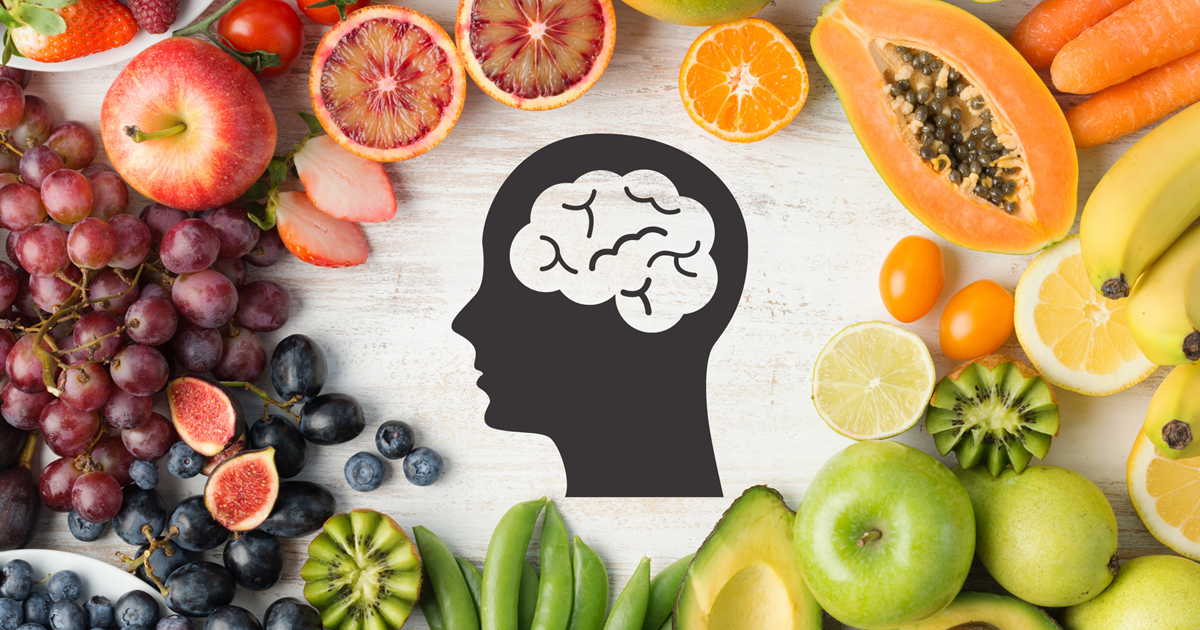
Hinterland's Personalised Philosophy of Nutrition
One of the biggest misconceptions about nutrition is that there is one "perfect" diet for everyone.
At Hinterland Health Retreat, we know this simply isn't true.
Every guest arrives with a unique health history, different symptoms, different genetics, different gut health, different nutritional requirements and different life experiences.
Rather than prescribing the same meal plan for everyone, we take a personalised approach informed by clinical assessment, health history, pathology, symptoms and ongoing observation throughout each guest's stay.
Our philosophy is simple.
We begin by creating a strong nutritional foundation.
For most guests, this means following a diet that is:
Gluten free
Dairy free
Refined sugar free
Rich in quality protein
Abundant in colourful vegetables
Based on whole, minimally processed foods
This approach helps remove many of the foods most commonly associated with inflammation, unstable blood sugar and digestive dysfunction while nourishing the body with nutrient-dense whole foods.
Importantly, this is not about suggesting that gluten or dairy are harmful for everyone, nor is it about promoting unnecessary dietary restriction.
Instead, simplifying the diet gives the body an opportunity to reset while allowing our clinical team to better understand how each individual responds before introducing more personalised nutritional strategies.
Nutrition Should Be Personalised, Not Prescribed
Once this healthy nutritional foundation has been established, we personalise each guest's dietary approach according to their individual health needs.
Depending on clinical presentation, symptoms and relevant blood test results, this may include nutritional approaches such as:
Paleo nutrition
Ketogenic nutrition
Autoimmune Paleo (AIP)
Low-histamine nutrition
Nightshade-free protocols
Anti-inflammatory nutrition
Gut-healing nutritional strategies
Rather than following popular diet trends, every recommendation is made with one goal in mind:
To provide the brain and body with the nutrients they need to heal while reducing the biological factors that may be contributing to depression.
Because nutrition should never be about restriction.
It should be about creating the conditions where healing becomes possible.
Beyond Food: A Functional and Integrative Approach
Nutrition at Hinterland Health Retreat extends far beyond the meals served on the plate.
Our multidisciplinary team considers nutritional status, pathology, digestive health, metabolic function and lifestyle as part of a comprehensive assessment of each guest's overall wellbeing.
Where clinically appropriate, this may include reviewing blood work to identify nutritional deficiencies or metabolic imbalances that could be influencing mood, energy, cognition or recovery.
To further support personalised care, Hinterland Health Retreat also offers an on-site Herbal Medicine Clinic, allowing qualified practitioners to prescribe evidence-informed herbal medicines tailored to each guest's individual needs. Herbal medicine may be used to complement nutrition and psychological care where appropriate and always considers the individual's health history, current medications and overall treatment goals.
In some cases, intravenous (IV) nutrient therapy may also be recommended as part of a broader treatment plan. When clinically indicated and prescribed by appropriately qualified practitioners, IV therapy can provide targeted nutritional support for selected individuals with identified deficiencies or increased nutritional requirements. It is never viewed as a standalone treatment for depression but rather as one component of a comprehensive, personalised approach to restoring health.
Our philosophy is always the same:
Support the body's natural capacity to heal by providing it with the nutrients, lifestyle and therapeutic care it needs to function at its best.
Blood Testing: Looking Beyond Symptoms
At Hinterland Health Retreat, we believe effective mental healthcare begins with understanding the whole person—not simply treating a diagnosis.
While two people may both experience depression, anxiety, fatigue, poor concentration or low motivation, the biological factors contributing to their symptoms may be completely different. One person may be experiencing chronic stress and burnout, while another may have nutritional deficiencies, poor metabolic health, inflammation, hormonal imbalances or digestive dysfunction that are affecting their overall wellbeing.
This is why, where clinically appropriate, we incorporate comprehensive pathology testing into our assessment process. Rather than relying solely on symptoms, blood testing allows us to gain a deeper understanding of each guest's nutritional status, metabolic health and physiological function, helping us identify factors that may be contributing to poor mental health or slowing recovery.
This reflects one of our core philosophies at Hinterland Health Retreat:
We don't ask, "What's wrong with you?"
We ask, "What's contributing to how you're feeling?"
Rather than focusing solely on symptoms, we seek to understand the biological, psychological, emotional and lifestyle factors that may be influencing each person's mental health. This whole-person perspective allows us to create personalised treatment programs that address not only the symptoms of depression, but the many interconnected factors that may be contributing to them.
Importantly, blood tests do not diagnose depression. Instead, they provide valuable clinical information that helps us develop a personalised treatment plan tailored to each individual's unique needs.
Depending on the guest's presentation, health history and existing medical investigations, we may review markers such as:
Vitamin D
Vitamin B12
Folate
Iron studies and ferritin
Magnesium
Zinc
Omega-3 status (where appropriate)
Homocysteine
Blood glucose and HbA1c
Insulin resistance
Thyroid function
Inflammatory markers
These results are never viewed in isolation. They are interpreted alongside psychological assessments, biometric monitoring, qEEG brain mapping, lifestyle factors, symptoms and clinical history to provide a comprehensive picture of each guest's health.
This personalised approach reflects the philosophy of both Nutritional Psychiatry and Metabolic Psychiatry—recognising that supporting mental health often begins by understanding and supporting the biological systems that allow the brain to function at its best.
Rather than treating every guest the same, we aim to identify the unique factors that may be influencing their mental wellbeing and create an individualised program that supports healing from the inside out.
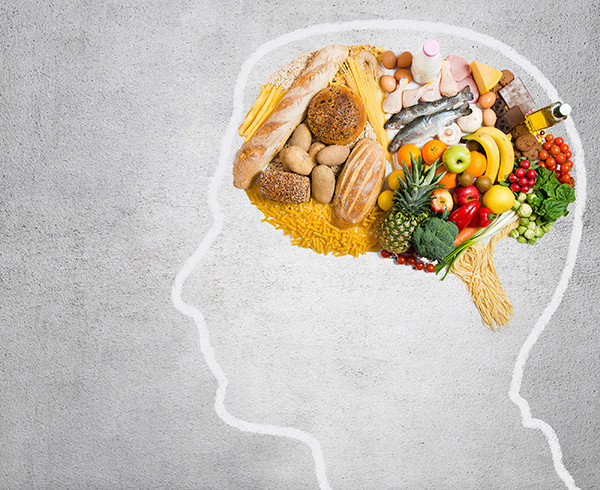
Key Nutrients That Support Brain Health
The brain is one of the most metabolically active organs in the body, relying on a constant supply of vitamins, minerals, healthy fats and amino acids to produce energy, regulate inflammation and manufacture the neurotransmitters that influence mood, motivation and emotional resilience.
While nutritional deficiencies are rarely the sole cause of depression, growing research suggests they may contribute to symptoms such as low mood, fatigue, poor concentration, brain fog and reduced resilience in some individuals.
Identifying and correcting these deficiencies doesn't replace evidence-based psychological care or other treatments. Instead, it helps ensure the brain and body have the nutritional foundations they need to function optimally.
At Hinterland Health Retreat, we don't believe in prescribing supplements simply because they're popular. Our philosophy is to use food as the foundation of health wherever possible, while recommending targeted nutritional supplementation only when clinically appropriate and based on individual assessment.
Some of the key nutrients that have been studied in relation to depression and mental wellbeing include Vitamin D, folate, Vitamin B12, magnesium, zinc, omega-3 fatty acids and iron. Each plays a unique role in supporting healthy brain function, and each may be relevant for different people depending on their individual circumstances.
Let's explore what the research tells us.
Essential Nutrients for Depression and Brain Health
The human brain is one of the most metabolically active organs in the body. Every second of every day, it requires a constant supply of vitamins, minerals, healthy fats, amino acids and antioxidants to produce energy, regulate inflammation and manufacture the neurotransmitters that influence mood, motivation, memory and emotional resilience.
When these nutritional building blocks are lacking, the brain may struggle to function at its best.
While nutritional deficiencies are rarely the sole cause of depression, growing research suggests they may contribute to symptoms such as low mood, fatigue, poor concentration, brain fog, reduced resilience and impaired cognitive function in some individuals.
This is why nutrition forms such an important part of a comprehensive treatment plan.
Rather than recommending the same supplements to everyone, our philosophy at Hinterland Health Retreat is to identify individual deficiencies where possible, support the body through nutrient-dense whole foods and use targeted supplementation only when clinically appropriate.
Below are some of the key nutrients that have been studied for their role in supporting mental health.
Vitamin D: More Than the Sunshine Vitamin
Vitamin D is widely recognised for supporting bone health, but it also plays an important role in immune function, inflammation, brain development and emotional wellbeing.
Research has identified an association between low vitamin D levels and an increased risk of depression. While researchers continue to investigate whether deficiency directly contributes to depression or reflects broader health challenges, maintaining adequate vitamin D levels is considered an important part of overall health.
Despite Australia's sunny climate, vitamin D deficiency remains surprisingly common due to indoor lifestyles, sunscreen use, seasonal variation, ageing and individual differences in absorption.
At Hinterland Health Retreat, we assess vitamin D status where clinically appropriate and provide personalised nutritional guidance to help restore healthy levels through diet, sensible sun exposure and supplementation when required.
Read more: Vitamin D and Depression: Could Low Levels Be Affecting Your Mood?
Folate (Vitamin B9): Supporting Healthy Brain Chemistry
Folate plays a vital role in methylation, DNA repair and the production of neurotransmitters such as serotonin, dopamine and noradrenaline.
Research has found that people with low folate levels are more likely to experience depression, reinforcing the importance of adequate nutritional intake and appropriate assessment.
Folate also supports healthy methylation pathways, which influence brain function, detoxification, cellular repair and the body's ability to regulate mood.
Rather than routinely prescribing supplements, we believe in identifying deficiencies where they exist and providing personalised nutritional support based on each guest's unique needs.
Read more: Folate and Depression: Why Vitamin B9 Matters for Mental Health.
Vitamin B12: Supporting Energy and Brain Function
Vitamin B12 is essential for healthy nerve function, energy production and cognitive performance.
Deficiency may contribute to fatigue, memory difficulties, poor concentration, brain fog and low mood—symptoms that can closely resemble depression.
Because Vitamin B12 deficiency becomes more common with age, digestive disorders, vegetarian or vegan diets and certain medications, assessing B12 status may form an important part of understanding an individual's overall health.
When deficiency is identified, restoring healthy levels may support neurological function, energy production and emotional wellbeing as part of a comprehensive treatment plan.
Read more: Vitamin B12 and Depression: Understanding the Link Between Energy and Mood.
Magnesium: Supporting Relaxation and Nervous System Health
Magnesium is involved in more than 300 biochemical reactions throughout the body and plays an essential role in nervous system regulation, muscle relaxation, sleep quality and energy production.
Modern diets, chronic stress and certain medical conditions may contribute to inadequate magnesium levels in some individuals.
Although magnesium is not a treatment for depression on its own, research suggests it may help support relaxation, reduce stress and improve sleep quality—all of which are important foundations for mental wellbeing.
Where appropriate, magnesium-rich foods and targeted supplementation may form part of a personalised treatment program.
Omega-3 Fatty Acids: Nourishing the Brain
Approximately 60% of the brain is composed of fat, making healthy dietary fats essential for optimal brain function.
Omega-3 fatty acids, particularly EPA and DHA, support healthy brain cell membranes, reduce inflammation and facilitate communication between neurons.
A growing body of research suggests that omega-3 fatty acids—particularly formulations higher in EPA—may provide additional support for some people experiencing depression when used alongside evidence-based psychological or medical care.
At Hinterland Health Retreat, we encourage guests to obtain healthy fats through nutrient-rich whole foods such as oily fish, walnuts, flaxseeds and extra virgin olive oil wherever possible.
Supplementation may also be considered where clinically appropriate following individual assessment.
Iron, Zinc and Other Essential Nutrients
Healthy brain function depends on a complex interaction of many different nutrients—not just one or two vitamins.
Iron supports oxygen transport and cellular energy production.
Zinc plays an important role in immune function, neurotransmitter activity and brain signalling.
Protein provides the amino acids needed to produce neurotransmitters, while antioxidants found in colourful fruits and vegetables help protect brain cells from oxidative stress.
Rather than focusing on a single nutrient, we aim to optimise overall nutritional status, recognising that the brain functions best when the body receives a wide variety of nutrients working together.
Evidence-Based Herbal Medicine: Supporting Mental Health Naturally
Nutrition is about far more than vitamins and minerals.
For thousands of years, medicinal plants have been used across many cultures to support emotional wellbeing, improve sleep and promote resilience during times of stress. Today, modern clinical research is beginning to validate the effectiveness of several traditional herbal medicines, with a growing number now supported by high-quality scientific studies.
At Hinterland Health Retreat, we believe herbal medicine should be evidence-informed, personalised and integrated into a comprehensive treatment plan. Herbal medicines are never viewed as a replacement for psychology, healthy nutrition or medical care. Instead, they may complement these approaches by supporting the body's natural healing processes.
Through our on-site Herbal Medicine Clinic, our qualified practitioners develop personalised herbal prescriptions based on each guest's individual health history, symptoms, medications, pathology results and treatment goals.
Rather than using the same herbal formula for everyone, we recognise that every person is biochemically unique and requires an individualised approach.
Saffron: One of the Most Researched Herbal Medicines for Depression
One of the most exciting developments in Nutritional Psychiatry is the growing body of research investigating saffron (Crocus sativus) for depression.
Clinical trials and systematic reviews have found that standardised saffron extract, typically at a dosage of approximately 30 mg per day, may be as effective as some conventional antidepressant medications for people experiencing mild-to-moderate depression, while being associated with significantly fewer side effects, including lower rates of sexual dysfunction.
Researchers believe saffron may work by influencing serotonin pathways, reducing oxidative stress, decreasing inflammation and supporting healthy brain function.
Much of the pioneering research has been led by Dr Adrian Lopresti from Murdoch University in Western Australia and Professor Shahin Akhondzadeh from Tehran University of Medical Sciences, whose randomised controlled trials have helped establish saffron as one of the most extensively researched herbal medicines for depression. Psychiatrist Dr Daniel Amen has also highlighted the potential role of standardised saffron extract within an integrative approach to supporting mood and cognitive health.
While the research is encouraging, saffron is not suitable for everyone and should only be used under the guidance of an appropriately qualified healthcare practitioner, particularly for individuals taking antidepressants or other prescription medications.
Other Herbal Medicines That May Support Emotional Wellbeing
While saffron has attracted considerable research attention, it is not the only herbal medicine investigated for mental health.
Depending on the individual's presentation, health history and current medications, our practitioners may also consider evidence-informed herbal medicines such as:
Lavender, which has been studied for its calming effects and ability to support anxiety and sleep.
Turmeric (Curcumin), recognised for its anti-inflammatory properties and emerging research into its role in supporting mood and brain health.
St John's Wort, one of the most researched herbal medicines for mild-to-moderate depression. While effective for some people, it has significant interactions with many prescription medications and should only be taken under professional supervision.
Rather than focusing on one "miracle" herb, we recognise that herbal medicine is most effective when integrated into a personalised treatment program that also addresses nutrition, sleep, movement, nervous system regulation and psychological wellbeing.
Food First, Supplements Second
At Hinterland Health Retreat, our philosophy is simple:
Food forms the foundation of health.
Whenever possible, we encourage guests to obtain the nutrients their brain and body need through a diverse, whole-food diet rich in colourful vegetables, quality proteins, healthy fats, herbs, spices and minimally processed foods.
Supplements and herbal medicines are never used as a substitute for healthy nutrition. Instead, they are carefully selected to complement a nutrient-dense diet when blood testing, clinical assessment or individual health needs indicate additional support may be beneficial.
By combining personalised nutrition, evidence-informed herbal medicine and comprehensive clinical care, we aim to provide the brain and body with the strongest possible foundation for healing.
Because lasting recovery isn't about finding one perfect supplement.
It's about creating the right conditions for the body and mind to heal together.
The Gut-Brain Connection: Why Your Gut May Influence Your Mood
One of the most fascinating discoveries in modern medicine is that the brain and the gut are in constant communication.
This two-way communication network, known as the gut-brain axis, connects the digestive system with the brain through an intricate network of nerves, hormones, immune signals and chemical messengers. Rather than functioning as separate systems, the gut and brain continually influence one another.
Have you ever noticed "butterflies" in your stomach before an important event? Or experienced digestive upset during times of stress or anxiety?
These are everyday examples of the gut-brain connection in action.
Researchers now understand that the trillions of bacteria living within the digestive system—collectively known as the gut microbiome—play an important role in overall health, including immune function, inflammation, metabolism and communication with the nervous system.
While the gut microbiome does not directly cause depression, emerging research suggests that changes in gut health may influence emotional wellbeing in some individuals through several interconnected pathways.
These include:
Supporting healthy communication along the gut-brain axis.
Influencing inflammation throughout the body.
Producing important compounds such as short-chain fatty acids that support gut and brain health.
Helping regulate immune function.
Influencing the production and availability of neurotransmitters and other signalling molecules involved in mood.
This growing field of research is helping reshape our understanding of mental health by recognising that caring for the brain also involves caring for the gut.
Nourishing the Microbiome
One of the encouraging aspects of gut health is that many of the factors influencing the microbiome are modifiable.
At Hinterland Health Retreat, we focus on creating the conditions that allow a healthy and diverse microbiome to thrive through whole-food nutrition rather than relying on quick fixes.
Depending on each guest's individual needs, this may include encouraging:
A wide variety of colourful vegetables and fruits rich in polyphenols.
Fibre-rich foods that nourish beneficial gut bacteria.
Fermented foods where appropriate.
Healthy fats from sources such as olive oil, nuts, seeds and oily fish.
High-quality protein to support repair and recovery.
Minimising ultra-processed foods and excessive refined sugar.
For some guests, personalised nutritional strategies may also involve temporarily modifying the diet to support digestive health. This may include low-histamine nutrition, autoimmune paleo (AIP), ketogenic nutrition or other therapeutic dietary approaches where clinically appropriate.
As always, these recommendations are guided by individual assessment rather than applying the same dietary approach to everyone.
More Than Digestion
Supporting gut health isn't simply about improving digestion.
Healthy gut function may also contribute to better nutrient absorption, improved immune regulation, healthier inflammatory responses and more stable energy levels—all of which can influence how we feel physically and emotionally.
While researchers continue to explore the complex relationship between the gut microbiome and depression, one thing is becoming increasingly clear:
Mental health is influenced by far more than the brain alone.
By supporting the health of the gut alongside the brain, nervous system and the rest of the body, we create another opportunity to improve overall wellbeing and support long-term recovery.
Read more: The Gut-Brain Connection: How Gut Health Influences Depression.
Inflammation, Blood Sugar and Brain Energy: Why Stable Metabolism Matters
One of the biggest shifts in modern mental health research is recognising that the brain does not function independently of the rest of the body.
Every thought, emotion and behaviour depends on a constant supply of energy. The brain requires healthy metabolism, stable blood sugar, balanced hormones and efficient cellular energy production to function optimally.
This is one of the central principles of Metabolic Psychiatry, an emerging field of research that explores how metabolic health influences mental wellbeing.
Harvard psychiatrist Dr Chris Palmer, author of Brain Energy and Director of the Metabolic and Mental Health Program at McLean Hospital, has helped pioneer this growing field. His work highlights the close relationship between metabolism, mitochondrial function and mental health, encouraging clinicians to consider how improving overall physical health may also support emotional wellbeing.
Rather than viewing depression solely through the lens of brain chemistry, Metabolic Psychiatry asks broader questions:
Is the brain receiving the nutrients it needs?
Is the body producing energy efficiently?
Could inflammation be affecting brain function?
How are nutrition, sleep, movement and stress influencing mental health?
At Hinterland Health Retreat, these questions form part of our holistic assessment of every guest.
Why Blood Sugar Matters
The brain relies on a steady supply of glucose to function effectively.
However, diets high in refined sugars and ultra-processed foods can contribute to significant fluctuations in blood sugar levels, leading to periods of rapid energy spikes followed by crashes.
For some people, these fluctuations may contribute to:
Fatigue
Brain fog
Poor concentration
Irritability
Increased cravings
Reduced energy
Mood instability
Although blood sugar dysregulation is rarely the sole cause of depression, maintaining stable blood glucose levels supports consistent energy production throughout the day and may contribute to improved cognitive performance and emotional resilience.
This is one of the reasons we remove refined sugar from our foundational nutrition program.
Rather than relying on processed foods, we encourage meals rich in quality protein, healthy fats, fibre and minimally processed carbohydrates to promote more stable energy levels and support overall metabolic health.
Reducing Inflammation Through Nutrition
Inflammation is the body's natural healing response.
When we experience an injury or infection, inflammation helps protect us and supports recovery.
However, chronic low-grade inflammation may place ongoing stress on the body and has become an important area of investigation in both Nutritional Psychiatry and Metabolic Psychiatry.
Researchers are exploring how chronic inflammation may influence neurotransmitter production, mitochondrial function, nervous system regulation and overall brain health.
While inflammation is unlikely to explain depression for everyone, reducing inflammatory burden through healthy lifestyle choices may support overall wellbeing.
This is another reason why our nutrition programs emphasise:
Colourful vegetables and fruits rich in antioxidants
Healthy fats such as extra virgin olive oil, nuts and oily fish
Quality protein
Herbs and spices rich in polyphenols
Minimally processed whole foods
Reducing refined sugar and ultra-processed foods
Rather than following restrictive diets indefinitely, our goal is to create a nutritional environment that supports healthy metabolism, balanced energy production and long-term wellbeing.
Why We Begin with a Simple Nutritional Foundation
One of the questions we are often asked is why Hinterland Health Retreat begins with a gluten-free, dairy-free and refined sugar-free nutritional approach.
The answer is simple.
Our goal isn't to suggest that these foods are inherently harmful for everyone.
Rather, beginning with a simple, whole-food nutritional foundation allows us to reduce dietary complexity while nourishing the body with nutrient-dense foods.
By temporarily removing some of the most common dietary triggers for digestive symptoms and blood sugar instability, we can better observe how each guest responds before introducing more personalised nutritional strategies.
As treatment progresses, nutrition is further individualised based on each guest's symptoms, pathology, preferences and clinical goals. For some individuals this may include Paleo, ketogenic, autoimmune paleo (AIP), low-histamine or other therapeutic dietary approaches where clinically appropriate.
This personalised approach reflects our belief that there is no single "best" diet for depression.
The best nutritional approach is the one that meets the unique needs of the individual.
Because healing doesn't come from following the latest dietary trend.
It comes from understanding the person sitting in front of us and providing the care their brain and body need to recover.
Nutrition Is Only One Piece of the Puzzle
One of the biggest misconceptions about depression is that there is one perfect solution.
One perfect diet.
One perfect supplement.
One perfect therapy.
The reality is far more complex.
Depression is influenced by a combination of biological, psychological, emotional, social and environmental factors. While nutrition can play an incredibly important role in supporting brain health, it is rarely the only piece of the puzzle.
This is why, at Hinterland Health Retreat, we don't treat nutrition as a standalone intervention.
Instead, nutrition becomes one part of a comprehensive, evidence-informed program designed to support healing across the mind, body and spirit.
Our multidisciplinary team combines nutritional psychiatry with:
Evidence-based psychology
Psychiatry and medical oversight where required
Emotional Freedom Techniques (EFT)
Breathwork Fundamentals and 9D Breathwork
Somatic therapies, including Somatic Experiencing®, Trauma Release Exercises (TRE), Embodied Dance Therapy and Havening
Acupuncture and AcuSeeds to support nervous system regulation
Yoga Therapy, Reformer Pilates and personalised movement programs
Personal training and nature-based activities
Functional pathology and nutritional assessment
Herbal medicine through our on-site Herbal Medicine Clinic
IV nutrient therapy where clinically appropriate
Spiritual wellbeing practices, including Energy Healing, The Body Code, Spinal Energetics, Didgeridoo Sound Healing and mindful walks in nature
Advanced neurotechnology through the MindShift Lab
Safe therapeutic relationships and a caring community environment
Each therapy supports the others.
Nutrition provides the raw materials the brain needs to function.
Psychology helps people understand and change unhelpful patterns of thinking and behaviour.
Movement improves metabolic health and supports healthy brain function.
Breathwork and somatic therapies help regulate the nervous system.
Sleep allows the brain and body to repair and recover.
Meaningful relationships foster safety, connection and belonging.
Together, these approaches create an environment where healing becomes possible.
Healing Happens Through Personalisation
No two people experience depression in exactly the same way.
Some people may benefit most from addressing nutritional deficiencies.
Others may need to focus on trauma, chronic stress, nervous system dysregulation or restoring healthy sleep.
For many people, meaningful recovery occurs when multiple evidence-informed approaches work together.
This is why every guest at Hinterland Health Retreat receives an individualised treatment program.
Rather than following a standard protocol, we continually review each guest's progress using psychological assessments, biometric monitoring, pathology results, qEEG brain mapping and ongoing clinical observations.
As guests begin to heal, their program evolves with them.
Nutrition may change.
Movement may increase.
Additional therapies may be introduced.
Some interventions become less important, while others become the next focus of care.
Healing is rarely linear, and neither is recovery.
Our role is to continually adapt each person's program so it reflects where they are today—not where they were when they first arrived.
This personalised approach reflects our belief that treating depression isn't about finding one therapy that works for everyone.
It's about understanding the unique biological, psychological and emotional factors influencing each individual and creating the conditions where lasting healing becomes possible.
Because at Hinterland Health Retreat, we don't simply ask, "What's wrong with you?"
We ask,
"What's contributing to how you're feeling—and how can we help your mind, body and spirit heal together?"
The Future of Mental Health Is Personalised
For many years, mental health treatment has focused primarily on managing symptoms.
While this approach has helped countless people, emerging research is encouraging us to think more broadly about the factors that influence emotional wellbeing.
Fields such as Nutritional Psychiatry, Metabolic Psychiatry and Lifestyle Medicine are expanding our understanding of depression by recognising the close relationship between brain health, physical health and emotional wellbeing.
Rather than asking only, "Which treatment works?", clinicians are increasingly asking:
What is happening in this person's body?
Are nutritional deficiencies affecting brain function?
How is sleep influencing recovery?
Is chronic stress keeping the nervous system in a constant state of survival?
Could inflammation, gut health or metabolic dysfunction be contributing to poor mental health?
What combination of therapies will best support this individual's recovery?
This shift towards personalised, whole-person healthcare represents one of the most exciting developments in modern mental health.
At Hinterland Health Retreat, we are proud to embrace this evolving understanding.
Our approach combines the latest research in psychology, neuroscience, nutritional psychiatry and lifestyle medicine with compassionate, person-centred care.
Rather than treating depression as a diagnosis alone, we seek to understand the unique biological, psychological, emotional and social factors influencing each guest's wellbeing.
By integrating personalised nutrition, evidence-based psychology, movement, nervous system regulation, restorative sleep, herbal medicine, IV nutrient therapy where clinically appropriate, spiritual wellbeing practices and advanced neurotechnology through the MindShift Lab, we create treatment programs designed to support healing across the mind, body and spirit.
Importantly, we recognise that healing is rarely achieved through one therapy alone.
It occurs when multiple evidence-informed approaches work together to create the right conditions for recovery.
For one guest, nutrition may become the catalyst for improved energy and resilience.
For another, restoring healthy sleep or regulating the nervous system may be the turning point.
For someone else, healing may begin through psychotherapy, meaningful connection or simply feeling safe enough to slow down for the first time in years.
Every journey is different.
That is why every treatment program should be different too.
At Hinterland Health Retreat, we don't believe in one-size-fits-all solutions.
We believe in understanding the whole person.
Instead of asking, "What's wrong with you?", we ask, "What's contributing to how you're feeling?"
The answer is rarely one thing.
It may involve nutrition, sleep, inflammation, gut health, nervous system regulation, relationships, movement, emotional wellbeing or life experiences.
By understanding these interconnected factors, we can develop personalised programs that support healing across the mind, body and spirit.
We believe in understanding the whole person, identifying what may be contributing to their symptoms and developing a personalised program that gives both the brain and body the greatest opportunity to heal.
Because lasting recovery isn't about chasing the latest diet, supplement or therapy.
It's about creating the biological, psychological and emotional conditions where people can reconnect with themselves, rediscover hope and build a healthier, more meaningful life.
And perhaps that's the greatest lesson emerging from Nutritional Psychiatry.
Food doesn't replace therapy.
Therapy doesn't replace nutrition.
Neither replaces meaningful relationships, restorative sleep, movement or purpose.
Instead, healing occurs when each piece of the puzzle comes together—supporting the whole person, not just the diagnosis.
Research Behind This Article
The nutritional recommendations and concepts discussed throughout this article draw upon a growing body of research from nutritional psychiatry, metabolic psychiatry, neuroscience, lifestyle medicine and integrative mental health.
While research in these fields continues to evolve, there is increasing recognition that mental health is influenced by a complex interaction of biological, psychological, social and environmental factors. Nutrition is not a replacement for evidence-based psychological or medical care, but it may play an important role in supporting overall brain health and emotional wellbeing.
The research and concepts presented throughout this article have been informed by the work of leading researchers and organisations, including:
Professor Felice Jacka – Founder of the Food & Mood Centre at Deakin University and a global leader in Nutritional Psychiatry. Her landmark SMILES Trial was the first randomised controlled trial to demonstrate that improving diet quality could significantly reduce symptoms of major depression.
Dr Chris Palmer – Harvard psychiatrist, author of Brain Energy and Director of the Metabolic and Mental Health Program at McLean Hospital, Harvard Medical School. His pioneering work in Metabolic Psychiatry explores how metabolism, mitochondrial function and cellular energy influence mental health.
Professor Peta Stapleton – Clinical psychologist and researcher at Bond University whose internationally recognised research has helped establish Emotional Freedom Techniques (EFT) as an evidence-based intervention for anxiety, depression, trauma and stress-related conditions.
Dr Adrian Lopresti – Clinical psychologist and researcher at Murdoch University whose work has significantly advanced our understanding of saffron, curcumin and nutritional interventions for depression and anxiety.
Professor Shahin Akhondzadeh – Professor of Clinical Psychopharmacology at Tehran University of Medical Sciences, recognised internationally for his pioneering clinical trials investigating saffron as a treatment for mild-to-moderate depression.
This article also draws upon evidence from:
The SMILES Trial and subsequent research into Nutritional Psychiatry.
Published studies investigating the relationship between vitamin D, folate and Vitamin B12 deficiencies and depression.
Systematic reviews examining omega-3 fatty acids, curcumin, saffron and other nutritional interventions for mental health.
Research exploring the gut-brain axis, inflammation, mitochondrial function and metabolic health.
Current Australian and international clinical guidelines for the assessment and treatment of depression.
At Hinterland Health Retreat, we continually review emerging research to ensure our programs reflect current evidence while remaining grounded in safe, ethical and person-centred care.
We also recognise that scientific understanding continues to evolve. For this reason, every treatment recommendation is individualised and developed in collaboration with appropriately qualified healthcare professionals, ensuring that nutrition, herbal medicine, psychological therapies and medical care are integrated safely and responsibly.
Frequently Asked Questions
Can nutrition really help depression?
Growing research suggests that nutrition can play an important role in supporting mental health. While improving diet alone is unlikely to resolve depression for most people, a nutrient-rich eating pattern may help support brain function, reduce inflammation, improve energy production and provide the building blocks required for healthy neurotransmitter function.
At Hinterland Health Retreat, we view nutrition as one important component of a comprehensive treatment program that also includes evidence-based psychology, movement, nervous system regulation, restorative sleep, holistic therapies and personalised medical care where required.
What is Nutritional Psychiatry?
Nutritional Psychiatry is an emerging field of research that investigates how diet, nutrient status, the gut microbiome and metabolism influence brain health and emotional wellbeing.
Research from organisations such as Deakin University's Food & Mood Centre has demonstrated that improving diet quality may significantly reduce symptoms of depression in some individuals, highlighting nutrition as an important part of holistic mental healthcare.
What foods are best for supporting mental health?
There is no single "best" diet for depression because nutritional needs vary from person to person.
However, research consistently supports eating a diet rich in:
Colourful vegetables and fruits
Quality protein
Healthy fats such as olive oil, nuts, seeds and oily fish
Fibre-rich whole foods
Herbs and spices rich in antioxidants
Minimally processed foods
At Hinterland Health Retreat, we personalise nutrition according to each guest's individual health history, pathology results, symptoms and treatment goals rather than recommending the same eating plan for everyone.
Can vitamin deficiencies contribute to depression?
Certain nutritional deficiencies have been associated with symptoms such as fatigue, low mood, poor concentration and reduced resilience.
Research has explored the relationship between depression and deficiencies in nutrients including Vitamin D, Vitamin B12, folate, iron, magnesium and omega-3 fatty acids.
While deficiencies are rarely the sole cause of depression, identifying and correcting them may form an important part of a personalised treatment plan.
Should I take supplements for depression?
Supplements should never replace a healthy diet or evidence-based mental health treatment.
At Hinterland Health Retreat, we believe in a "food first" philosophy wherever possible. Targeted supplementation may be recommended when blood testing, clinical assessment or individual health needs indicate that additional nutritional support is appropriate.
Any supplementation should always be guided by appropriately qualified healthcare professionals.
Is a gluten-free diet beneficial for depression?
Not everyone with depression needs to avoid gluten.
At Hinterland Health Retreat, we begin with a gluten-free, dairy-free and refined sugar-free nutritional foundation because these foods are among the most common dietary factors associated with digestive symptoms, blood sugar fluctuations and inflammation in susceptible individuals.
This approach allows us to reduce dietary complexity while observing how each guest responds before introducing more personalised nutritional strategies where appropriate.
What is the gut-brain connection?
The gut and brain communicate continuously through the gut-brain axis—a complex network involving the nervous system, immune system, hormones and the gut microbiome.
Researchers are increasingly exploring how gut health, inflammation and microbial diversity may influence mental wellbeing. While the science continues to evolve, supporting digestive health through a nutrient-rich, whole-food diet forms an important part of our holistic approach to mental health.
Is saffron really effective for depression?
Saffron is one of the most extensively researched herbal medicines for mild-to-moderate depression.
Clinical trials and systematic reviews have shown that standardised saffron extract may provide benefits comparable to some antidepressant medications for certain individuals while generally producing fewer side effects.
At Hinterland Health Retreat, herbal medicines are prescribed through our on-site Herbal Medicine Clinic as part of an individualised treatment plan and always consider each guest's health history, medications and clinical needs.
Does nutrition replace therapy or medication?
No.
At Hinterland Health Retreat, we believe the most effective treatment for depression is personalised and evidence-informed.
For some people, improving nutrition may significantly enhance recovery. Others may benefit from psychology, psychiatry, medication, nervous system regulation, movement, sleep optimisation or other therapies.
Rather than viewing these approaches as competing with one another, we believe they work best when thoughtfully integrated into a comprehensive treatment program that supports the mind, body and spirit.
How does Hinterland Health Retreat personalise nutrition?
Every guest receives an individualised assessment that considers their symptoms, medical history, lifestyle, pathology results and treatment goals.
Where clinically appropriate, we review blood work, monitor progress throughout the program and tailor nutritional recommendations accordingly. Depending on each person's needs, this may include gluten-free, dairy-free and refined sugar-free nutrition, as well as more specialised approaches such as Paleo, ketogenic, autoimmune paleo (AIP), low-histamine or anti-inflammatory nutrition.
Combined with our on-site Herbal Medicine Clinic, IV nutrient therapy where clinically indicated, evidence-based psychology and holistic therapies, this personalised approach allows us to support each guest's unique journey towards improved mental wellbeing.
Ready to Nourish Your Mind and Body?
If you've been struggling with depression, it's important to remember that healing rarely comes from one solution alone.
Recovery often begins by understanding the unique combination of biological, psychological and lifestyle factors influencing your mental health.
At Hinterland Health Retreat, we believe nutrition is one important piece of that puzzle. By combining personalised nutrition with evidence-based psychology, nervous system regulation, movement, restorative sleep, herbal medicine, holistic therapies and advanced neurotechnology, we aim to create the conditions where lasting healing can occur.
Whether you're experiencing depression, anxiety, burnout or simply feel like you've lost your sense of vitality, our experienced multidisciplinary team is here to help you explore a personalised path forward.
During your confidential discovery call, we'll take the time to understand your story, answer your questions and discuss whether our holistic approach is the right fit for your individual needs.
There is no pressure and no obligation—just an opportunity to speak with people who genuinely care and who understand that every healing journey is different.
If you're ready to learn how personalised nutrition and whole-person care may support your mental wellbeing, we'd love to hear from you.
Book a confidential discovery call today and take the first step towards nourishing your mind, body and spirit.
Medical Disclaimer: This article is intended for general educational purposes only and should not be considered medical advice, diagnosis or treatment. Every person's experience of depression is different, and treatment should always be tailored to individual needs. If you're concerned about your mental health, speak with your GP, psychologist, psychiatrist or another qualified healthcare professional. If you or someone you know is in immediate danger or experiencing a mental health crisis, call 000 or present to your nearest emergency department. You can also contact Lifeline Australia on 13 11 14 for 24-hour crisis support.